How a family business in rural Virginia grew from printing on coffee mugs to outfitting the East Coast wine industry
A Dare in a Warehouse
In the 1980s, a pewter salesman named Arthur was buying decorated products to resell when every order from his supplier came back wrong. When he complained, the supplier fired back: “If you think it’s so easy, why don’t you do it yourself?”
“My dad has never been one to back down from a challenge,” says his daughter, Lisa Roman. “He took it as a challenge, and he did. He started his own business.”
That business became ARTon Products. Forty years later, it’s still family-run, still in rural Virginia, and still shaped by the stubbornness that launched it.
An Old General Store in Lottsburg
Arthur and his wife wanted out of Northern Virginia. They landed in Lottsburg—a small town where Arthur used to race sailboats—and bought an old general store with no electricity and no running water. They turned the upstairs into an apartment and set up shop downstairs, kilns and all.
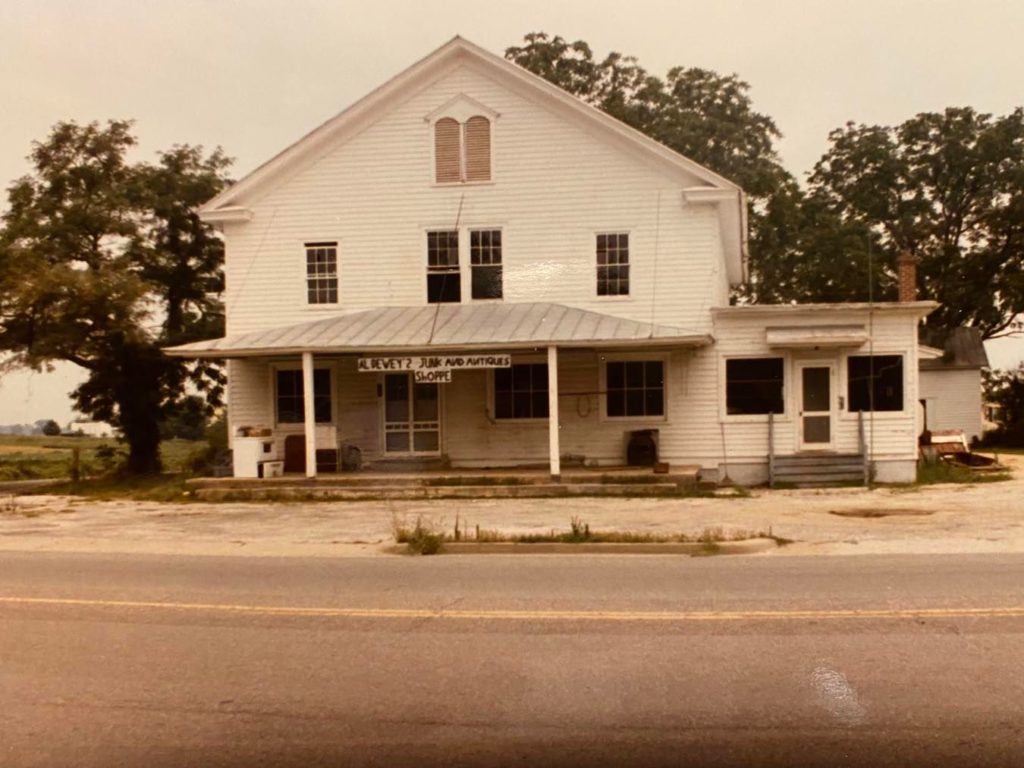
The setup was rustic enough that Lisa’s brother’s first word wasn’t Mama or Dada. It was hot—a warning about the kilns.
Those early products were more coffee mug than Cabernet. “We printed on tiles at one point,” Lisa says. “I don’t know what people were doing with them, but we printed on tiles.” By 1992, the business had outgrown the general store and taken over the whole building.
Finding the Wine Industry
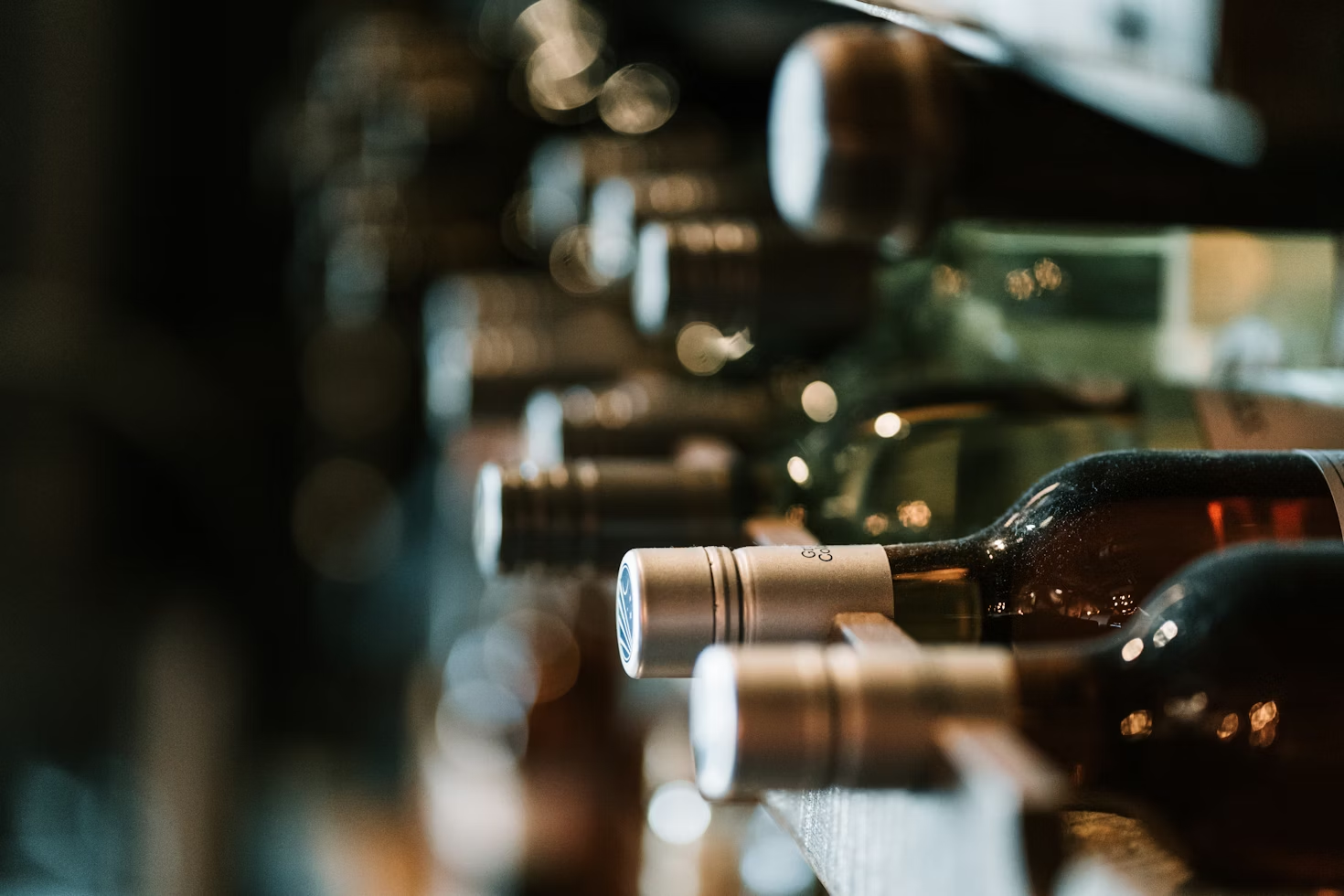
Over the years, ARTon moved away from low-margin distributor work and leaned into the East Coast wine industry. That meant adapting to an industry that was changing fast—including the glasses themselves.
“The wine glasses that people choose have gotten bigger over the years,” Lisa says. “It used to be that the average size was more like 6 ounces. Our best-selling wine glass now is 12 ounces.”
Service Over Price
Ask Lisa what has kept ARTon alive through 40 years of growing pains, and the answer is consistent: service.
“Customers have become less price sensitive and more service sensitive,” she says. In 2018, a competitor poached a chunk of ARTon’s client base—and many of them came back. “A lot of those customers ended up coming back because of our service.”
That commitment isn’t abstract. When freight carriers have failed, the family has personally driven orders to customers in North Carolina and New Jersey. In one case, a customer in a bind called in a rescue order, and ARTon turned it around the same day.
Lisa’s team has heard her say it countless times: “Don’t focus on what we can’t do. Tell them what we can do. And better yet; ask them what they need.”
A Team That Sticks
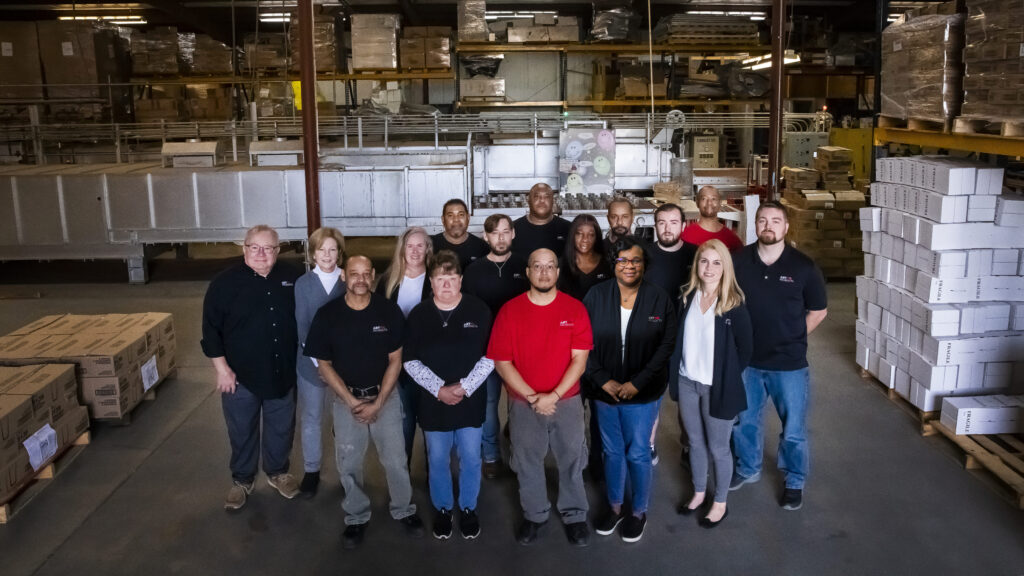
ARTon’s rural location means a small applicant pool and real hiring challenges. What the company has built instead is a team that stays. The average employee tenure is more than 10 years, and one employee has been there for over three decades.
What’s Next
At 40 years in, ARTon is watching the non-alcoholic beverage boom and exploring adjacent markets like coffee and tea. On the production side, the company is pushing harder into permanent engraving as a more durable, sustainable alternative to enamels and organic inks.
“It’s 100% permanent,” Lisa says. “You don’t have to worry about your logo washing off.”
As for the next 40 years, Lisa isn’t chasing scale. “I don’t necessarily want to see us get huge. I just want to find a place where we can be steady and comfortable and sustainable.”
Hitting the milestone is emotional for her. “The business was my parents’ first baby. It’s a little bit older than me. So many businesses don’t survive generational transition. It’s their legacy.”Forty years ago, one bad order and an offhand dare launched a company out of a general store with no electricity. Four decades later, ARTon is still defined by the same thing that started it: a family that refuses to say no when someone needs something done right.